By the time the garden's put to bed here in northeastern Pennsylvania, most of us have a bucket of trowels and rakes by the shed door with half the season's dirt still on them. It's tempting to hang them up as they are and deal with it in spring.
Don't. Soil holds moisture against the steel, and a damp shed all winter turns that into rust. A dry handle can check and split. An hour of work this fall saves a lot of scrubbing and filing in April, and good tools will last for years.
Why winterize garden tools at all?
- Rust. Damp soil, sap, and sweat from your hands left on bare steel all winter lead to rust. Even a light film of rust dulls an edge and pits the metal.
- Dry handles. Wood dries out and swells with the seasons. Without some oil or wax, handles get rough, splinter, and eventually crack.
- Dull edges. A trowel or hori-hori that's sharp cuts through sod and roots instead of tearing. Fall is a slow time to sharpen. In spring you'll want to be planting.
The basic routine is the same at nearly every extension service: clean, sharpen, oil, store dry.
Step 1: Clean off the soil and sap
- Knock off the big stuff. Scrape caked soil with a putty knife or stiff brush.
- Wash. Warm, soapy water and a stiff brush take off what's left. A wire brush helps on stubborn spots.
- Deal with rust. Light surface rust comes off with steel wool, a wire brush, or a Scotch-Brite pad. Wisconsin Horticulture suggests going easy with coarse sandpaper, since deep scratches give rust a place to start again.
- Dry them completely. This is the step most people rush. Wipe them down and let them sit somewhere warm until they're bone dry.
Should you disinfect them? If you cut into diseased plants this year, yes. University extension services recommend 70% rubbing alcohol because it works fast and isn't hard on the metal. A 10% bleach solution also works, but it's corrosive, so rinse, dry, and oil the tool afterward. Skip vinegar. Minnesota Extension notes it can encourage rust.
Step 2: Sharpen the edges
You don't need a razor edge on a trowel, just a clean bevel that slices into soil.
- Use a mill bastard file. Piginor, the Oregon maker behind our handmade tools, recommends a standard mill bastard file (flat, medium-coarse, single cut) for keeping their tools sharp.
- Clamp it down. Hold the tool in a vise or brace it against a bench. Wear gloves and eye protection.
- Follow the existing bevel. Push the file along the original angle, pressing on the forward stroke and lifting on the way back. Red Pig says a bevel of about 45 degrees is right for tools that work in dirt.
- Take off the burr. A light, flat pass along the back of the edge removes the rough lip filing leaves behind.
- Serrated edges and saw teeth. For the serrated side of a hori-hori, a round chainsaw file fits the scallops. Saws generally only need attention when teeth are damaged.
Step 3: Oil the steel
Once the metal is clean, dry, and sharpened, a thin coat of oil keeps moisture off the steel over winter.
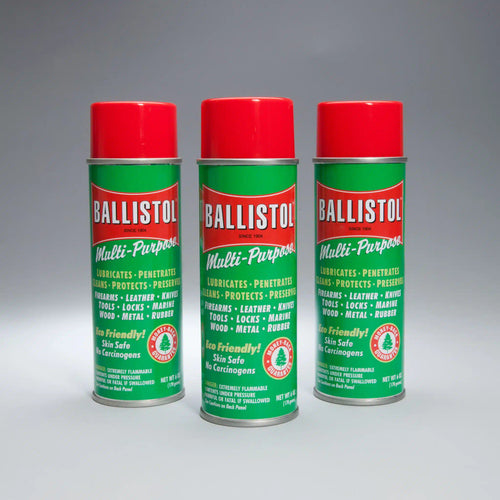
We use and carry Ballistol Multi-Purpose Oil. It cleans, lubricates, and protects metal and wood, so one rag does the blade and the handle. Ballistol describes it as non-toxic, biodegradable, and gentle on skin, and says it's fine to use around the vegetable garden. It comes as a 6 oz aerosol or as pre-soaked wipes, which make quick work of a few hand tools.
Spray or wipe on a light coat, let it sit a few minutes, and wipe off the excess. You want a thin film, not a puddle that collects grit.
If your tools will winter in an unheated shed or a damp basement, Piginor also suggests paste wax or a clear spray enamel over clean metal before long storage.
Step 4: Take care of the handles
- Smooth rough spots with medium, then fine, sandpaper.
- Oil the wood. Piginor recommends oiling or waxing handles at least once a year. Boiled linseed, tung, Danish, or teak oil all work, and so does Ballistol, which soaks into bare wood. Wipe it on, let it soak in for several minutes, and wipe off the excess.
- Check the joints. Look for loose rivets, wobbly heads, or cracks, and fix them now instead of mid-planting.
A safety note on linseed oil: Rags soaked in linseed and similar drying oils can heat up and catch fire on their own if they're balled up. Lay them flat outside to dry, or follow the disposal directions on the can.
Step 5: Store them dry
- Hang them up in a dry shed, garage, or barn, off concrete floors and away from dripping roofs.
- Keep them out of the weather. Tools left leaning against the garden fence rust and weather fast.
- Check them midwinter. On a slow January day, look them over and wipe on fresh oil if you see any spots.
Tool care is one part of putting the garden to bed. If you water with soaker hose, read Can You Leave a Soaker Hose Out in Winter? for draining and storing that before the hard freeze.
The tools we carry, and how they hold up
Our handmade garden tools come from Piginor by Red Pig Tools, blacksmiths in Oregon. They're mild steel on American hickory handles. Piginor says they ship with a clear enamel coat on the metal and a wax or lacquer finish on the handles. That factory finish wears off with use, which is why this routine matters.
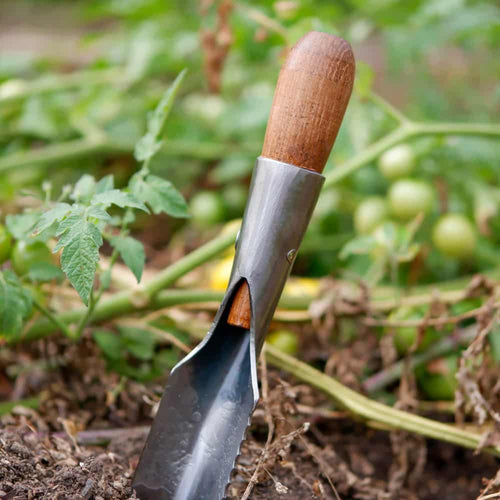
- Handmade Hori-Hori Trowel: a serrated edge for roots, a smooth-ground edge for compacted soil, and a shallow scoop.
- Handmade Garden Trowel and Handmade Planting Trowel: 6" x 2" curved blades with tang and ferrule construction.
- Handmade Garden Hand Rake: three sharpened tines for breaking up soil and pulling roots and rocks.
- Handmade Root Saw: a 13-inch scalloped blade for cutting roots below the soil.
If you're starting fresh, the Essential Garden Hand Tools Kit pairs the garden trowel, hand rake, and hori-hori with a box of Ballistol wipes for keeping them up.
FAQ
How do you clean garden tools before winter?
Scrape off the soil, wash with soapy water and a stiff brush, remove any rust with steel wool, and dry them completely. Then sharpen, oil the metal and handles, and hang them somewhere dry.
What oil should I use on garden tools?
A light oil on clean, dry metal is what matters. Extension services list several that work. We use Ballistol because it covers both metal and wooden handles. For handles, boiled linseed oil is the traditional choice.
How often should I sharpen my trowel?
Sharpen whenever it stops slicing into soil cleanly, and at least once a year. Fall cleanup is a good time to do it.
Do I need to disinfect my tools?
If you worked around diseased plants, yes. Wipe or spray them with 70% rubbing alcohol. Otherwise, a good cleaning is enough.
What you need
- A stiff brush, putty knife, and steel wool
- A mill bastard file (and a round file for serrated edges)
- Ballistol Multi-Purpose Oil for metal and handles
- Rags, sandpaper, and a dry place to hang everything
Put in an hour this fall, and your tools will be ready to dig the first warm day in spring.